

If you're looking for someone who only skims the surface and builds strategy purely from raw data, Lena isn't that. But if you want someone who understands not just branding and industry, but you, your values, your intentions, and where you're trying to go, then Lena is exactly who you want to work with. One of the best parts of working at NueWay Studios was having access to what felt like on-demand Lena coaching. Those conversations consistently helped me think deeper, get clearer, and move forward with confidence. It's the kind of guidance that stays with you long after the work is done.
A NueWay Studios team member who reported to LenaProof that what you do on the inside shows up on the outside.
From talent development to designing growth curves, deepening culture to leading from the inside out. A truly branded experience doesn't stop in the marketing department. It takes working in wholes to create something purposeful.
Before you press play. Read this.
This is not a traditional case study. What you're holding is a Living Brief: part portfolio, part field notes, part honest account of what it actually looks like when someone gets deeply, deliberately, fully invested in building something that matters. The agency in this story is called NueWay Studios. I am the Purpose Strategist.
Underneath all of it, you'll get a clear picture of how I think, how I work, and what happens when you let me get close enough to see the whole. (My signature strategy and custom frameworks aren't included here. This is a brief, not a blueprint.)
- If you're a Founder who has outgrown the structure around you.
- If you're a Leader who can feel the gap between who you are and what you've built.
- If you've ever looked at your own organisation and thought: the potential is real, but something is competing with it.
- If you have a team.
This was written with you in mind. We'll start from the inside and work our way out.
Some briefs sit in a folder. This one got a playlist.
Studio level 2.0 to Studio level 5.0 in six years.
Roles held: Brand Strategist → Purpose Strategist + Creative Director + Project Manager + COO → Acting CEO.
Studio 1.0 | What drew me in
I'm not much of an Upwork girl, but my intuition wouldn't let this one go. I don't usually pitch for projects on platforms like Fiverr or Upwork. Let's be honest, most people there are either scouting the competition or racing to the bottom on price. Success on those platforms is purely transactional and purely quantifiable: cheapest, fastest, most projects delivered. Nothing wrong with that model. It's a classic business move. But it's a finite game, built for people chasing a transactional clientele instead of a transformational one. It forces you to play narrow instead of multidisciplinary.
Every so often, though, I find the client who wants value, impact, and something that isn't cookie-cutter. Someone looking for high-caliber talent to elevate their game.
That's how I met NueWay Studios. We had chemistry right away. We both believed strongly in Brand Archetypes. She was a Brand Strategist herself, so she understood exactly how much impact they had, and was excited to be challenged to take it further. She was looking for someone to own the strategy side so she could step back into Creative Direction and finally start working on the business instead of just in it.
They told me they chose their people intentionally. Clients and vendors alike. They saw them as real partners. That's always how I've run my practice, whether as a coach, consultant, or mentor: I get deeply invested. Not because I don't know where the line is. It's part of my magic.
Fair warning: I'm known for bringing a lot to the table.
I've sat across from enough founders to know exactly what it costs when things get separated that were never meant to be apart. Marketing over here. Business over there. Packaging in one conversation, brand in another. It's not a strategy problem. It's a wholeness problem. Your marketing is your business. Your packaging is your brand. The way you treat your vendors is also your positioning. The way your team feels on a Monday morning is your culture.
Nothing is separate. It never was. All is one.
NueWay was trying to do too many things at once. Too many Archetypes competing for attention. Pushing hard in places that didn't need it, neglecting places that did. The execution left prospective partners unsure of what they'd actually get. I could feel the tension between what they were and what they were reaching for. That tension was exactly the kind of problem worth walking into.
Mission accepted.
Nothing is separate. It never was. All is one.
Studio 1.0 | The Actual Reality
This is what I actually walked into, and where the real work began.
NueWay Studios had history: Atlanta roots, an original team, an original office, an original type of client. Then things started to change. The team went international. Within months, NueWay went from a dominant, in-office Atlanta team to a fully remote global team of internal partners. The pandemic hit. What could have been catastrophic timing turned out to be something else entirely. NueWay had already made the structural shift the rest of the world was about to be forced into. They didn't just survive the pivot. They'd already led it (and were inventing groundbreaking tech at the time). That gave them a short-term advantage. Not yet a USP.
By this stage, most of the original Atlanta team had moved on, except for one graphic designer.
Something deeper started to shift.
It was the kind of place that attracted people who wanted to do things differently, and actually meant it. Not activists. Businesses that valued being human, even before COVID was making that fashionable. There was something drawing people in, without any ad spend behind it. Something harder to name. People were saying yes. Not to the pitch, not to the deck, but to something underneath it. I recognized immediately that NueWay had something most brands spend years and serious money trying to build, and never quite get there.
I also recognized it as something that needed to be cultivated and protected.
- Was it perfect? No.
- Was it consistent? No.
- Did it have potential? Absolutely.
- Was it rough around the edges? Sure.
- Did it create confusion? Yes.
- Were there conflicting ideas? Yes.
- Was everyone on the same page? No.
- Could it open a whole new lane for the business and the brand? Yes.
- Would it lead to more, and better, business deals? Yes.
- Could it open the door to new services and revenue streams? Yes.
- Could it do the heavy lifting to keep a brand on-brand? Of course.
- Could it become a whole brand from the inside out? Yes, yes, yes.
Was it worth fighting for? Yes.
For a studio that deeply valued Brand Archetypes, I was genuinely surprised that no one but the founder really knew what that meant. Some had heard the term, some used it inconsistently, most had no idea what it had to do with them. Which meant it fell to the Creative Director to enforce it.
Isn't that the role of leadership?
Yes. It's also the role of onboarding, of company culture, of how people get trained, and of how each individual applies it to their own work. That's why I call this a living brief. It's a practice, a frame, a way of doing things. Done right, it feels organic, empowering, available. Not mandatory, mechanical, or like a production line.
You can either enforce a culture, or create the conditions for it to emerge.
Where I stand on AI
There are more than enough AI-first companies pitching automation across every workflow, department, and deliverable. Some of what that looks like: cloning people and turning experienced craftspeople into bot-babysitters, then wondering why they make bad managers. Turning everyone into an analyst without understanding how that person actually makes sense of the world, the data, or their own blind spots. Using humans as training data, then letting them go the moment they've handed over their X-factor.
And yes. You can absolutely still use AI if we work together. It's the how, when, where, and why I'm curious about.
I want to hear more stories like IKEA, and fewer like most big brands right now. I'm not interested in working with brands that think people are redundant, that creativity isn't a skill, or that more AI is automatically better. I'm not a fan of using AI to push people harder and calling it anti-burnout culture. And I won't redefine mastery as publishing more AI slop, faster than the next guy.
This is structural.
It's how everything on the inside and the outside align. Maybe I value integrity, or authenticity, too deeply. Or maybe I still believe that, at the end of the day, whatever we do is still Human to Human, to borrow Bryan Kramer's phrase.
There's a difference between showing up to do the work and showing up to create from inside it. It's structural design. Talent works. It delivers, it executes. But this was never really an execution problem. It was architectural. Businesses, brands, and people miss this constantly: they try to copy-paste someone else's success formula onto a structure that can't support it. They try to emulate role models who are on level 59, when they haven't yet met the criteria to pass level 8.
Before you can build anything that lasts, you have to be willing to see what's actually there. Not the pitch version, not the deck, the whole thing. That means looking at the structure underneath: the gaps nobody was naming, the places where energy was leaking and nobody knew why. As a Purpose Strategist, I can't work with a whole unless I can see the whole. And what I saw told me exactly where the real work needed to happen.
I couldn't see the gaps and just walk past them.
Especially not once I understood what was at stake if the foundation stayed shaky. So I started training the team. Project by project, pitch by pitch, USP by USP. By this point I was no longer just the Brand Strategist. I'd also taken on Creative Director and Purpose Strategist, which let me personally coach, mentor, and unlock talent across an ever-changing creative team, while seeing straight into how sales, finance, HR, ops, and business development actually worked underneath it all.
Flip to reveal the Aha.
Here's some of what happened as a result between 2020 - 2024:


Click Here
.webp)
Click Here
.webp)
Click Here
.webp)
Click Here
.webp)
Click Here
.webp)
Click Here

Click Here
.webp)
Click Here
.webp)
Click Here
.webp)
Click Here
.webp)
Click Here
.webp)
Click Here
Studio 2.0 | Branding from the Inside Out (2020–2024)
My methodology has always been foundation first. A living brand isn't a logo with good vibes. It's a designed structure that thinks, decides, and shows up consistently from the inside out. Creating living brands means building something with a pulse, people included, and it impacts everything from the inside out and the outside in.
Whole Brands
There are many ways to create wholeness, frame it, even mandate it. But nothing great, worthy, or valuable happens when a single person's agenda, a KPI, or a PR stunt is leading it. Wholeness either lives in the structure of how things actually work, or it doesn't live anywhere at all. At least not the way I hold it. Because it's easy to design for the dark side: consumed, overwhelmed, absorbed. We've all heard this story: take the most eager people in the room, the ones who care the most, who'll give and stretch and absorb the most, and build a system that runs on that energy like fuel. Then brand it "performance reviews," "corporate life," or the "we're family" line.
That's why structure isn't an operational conversation. It's a DNA one.
I watched what happened when people felt truly held by their work. I listened to what our partners craved and needed, to the market, to what was coming around the corner, and above all, to what made them come alive in a room. Sometimes that was a bold streak of eureka. Sometimes a quiet "yes, please." Sometimes the curious energy of "wait, we can actually do that?" Or the sigh of relief when a long-standing pain point finally got addressed.
Once I named it, I modeled it in every interaction. I made room for it in our workflow. Space to be picked up or ignored, never forced. I wanted people to own it by making it theirs, and that collaboration gave me goosebumps every single time.
Above all, I created virtual rooms where we could experiment. Slowly, fully, organically, people started to show up. No matter how introverted, how buttoned-up, how fancy the title, or how long their camera had stayed off in meetings. They dropped their guard. They brought "asking for a friend" problems to the table. They got out of their heads and into the creation process. It changed how we worked, how we partnered, and it built the foundation for how the whole business moves.
Lena was a key person in positioning NueWay: identifying markets worth exploring, truly defining why we stood out, and framing our USPs.
Project ManagerOur collaboration has shifted my professional lens from seeing brands as static identities to seeing them as living systems of integrity.
Web DeveloperI stopped seeing brands as something you 'shape' from the outside. I started seeing them as reflections of how people actually think, decide, and lead internally. Purpose became less abstract. It became something practical, and honestly, something personal.
Sales LeadI learned about brand archetypes and how purpose and values shape a brand. Building my own brand also helped me get clearer and more grounded in my personal goals and principles.
Social MediaI understand now that strategy is a subtractive process, not an additive one. I used to think of it as a comprehensive roadmap of everything that could be done. I've learned that a strategy's power comes from what it dares to leave out.
Web DeveloperI want to celebrate the incredible person you are and the amazing impact you have on everyone around you. Your positivity, passion, and dedication are truly unmatched. Your briefs and clear directions keep everything so well-organized and on track, and your thoughtful feedback makes every step of the process smooth and motivating. You have this incredible ability to keep progress moving forward while inspiring those around you to bring their best. We're beyond lucky to have you as both a teammate. You embody purpose, innovation, and heart in everything you do, setting the bar impossibly high.
Graphic DesignerYou're an amazing leader and an even better person. You've always been there supporting in everything I do. Your humble and kind nature make everyone feel comfortable around you. You're so talented and always show us the way, but you also give us the freedom to try new things and be creative.
Graphic DesignerI want to thank you for being the anchor of support, the voice of understanding, and a truly inspiring purpose strategist. You embody everything NueWay stands for: vision, innovation, and heart.
Admin AssistantI just wanted to take a moment to express my deepest gratitude for everything you've done over the past two years. Working alongside with you as our creative director has been an incredible experience, and I've seen how much we've both grown together within the company. Your passion, creativity, and constant willingness to support the team have been a true inspiration to me. I'm proud of everything we've accomplished together and excited for what the future holds.
Video EditorOur long conversations that somehow manage to be deep, hilarious, and full of wisdom all at once are truly unmatched. You bring a spark and energy to NueWay that keeps us on our toes and, dare I say, actually makes it fun (which is no small feat in our world!). Thank you for being the magical unicorn who keeps everything (and everyone) together, even when it feels like chaos is lurking around every corner. You're the heart of the operation, and we're all the better for it.
CEOOur Internal Brand Culture
One artifact from that era: the internal playbook that spelled out exactly what "on-brand" meant for the humans doing the work, not just the client-facing deliverables.

So Above
We were moments away from our first kick-off call with a new client's CMO (I'll call him Joe*), and I knew something had to shift. Every step of onboarding him had made the team second-guess themselves, not because we weren't ready, but because he had a way of walking into a room, even a virtual one, that made everyone quietly shrink. Big title, high standards, higher expectations. His boss was even more intense. Within 48 hours of signing the contract, the team had already been corrected, challenged, and judged more than once.
Nothing made my coaching instincts flag "toxic." Though a few later clients did. The real concern was: if this is the judgment we're getting before we've even met him, what happens once we do? The team was rattled.
Moments before the call started, I said the thing I needed them to hear:
"He is not his title. He is not his suit. And his need to be right is not our enemy."
I asked the Founder for full reins to lead the call completely differently. She said yes, though if she'd known the plan, I probably would have gotten some pushback.
He joined. I took the floor before he'd finished his first sentence, framed things head-on, left no room for doubt or agenda, cranked the volume, shared my screen, and played Brave by Sara Bareilles.
My only instruction was this. Let yourself feel every word and beat. Dance if you want to.
The first few seconds were intense. No one moved. This kind of thing doesn't come free for me either. I'm an ambivert, and leading it meant being fully, unselfconsciously present when every instinct wanted to dial it back. So I danced. Hands in the air. Giggling. Like no one was watching.
Then something happened. He loosened his tie. Then it came off, and the jacket with it. And then the defenses. He was the second person dancing, not the CEO, not the PM. Him. By the end of the song he was wiping away tears, which brought the rest of the call to tears with him.
He'd remembered why he started working there in the first place. For fifteen minutes of a forty-five-minute call, we just held the space. No one rushed to fix it. No one rushed in with sympathy.
From there, since he was the CMO, I reframed everything around making him look good. His secret weapon, his cheerleader on a bad day, his soundboard before a big meeting. For the first time in a long time, he admitted he had people in his corner who wanted to see him win.
End Result:
He loved the dance-offs so much he asked for them on every call after that. And even on the calls where dancing wasn't the right read for the room, I always found another way to get him into some kind of physical, human moment. Because transformation doesn't always announce itself, and you never know what's going to crack a person open. In one call, we learned more about him, his organization, and their audience than months of research would have surfaced. His credibility grew. He got a little more room to innovate, even inside an industry with policies about policies about making the smallest change. And we stayed a call away, ready for whatever came next.
*Name changed to protect confidentiality.
As Below
I'll never forget one of our early interns. It was her third day with the Agency, and she had already consumed all the onboarding docs and videos. She was joining in a PA role, and while she still had some onboarding left, what she did left me speechless.
She noticed it was the Founder's Anniversary coming up. Something that wasn't really advertised or promoted. She must have noticed something in her calendar. She looked over all the tools we had, and put together an on-brand, company-wide call to do something special. She created a poll with three options and orchestrated the whole thing. She hadn't even met the full team yet, and she was on it.
When I reached out to give her kudos and appreciation, her response was: "After reading the Communications guide, I instantly got the vibe. I was so excited to think outside the box and be able to play. I saw an opportunity to do something, so I thought, why not get the ball rolling and see who else wants to play?"
At the end of the video call, I cried tears of joy. It was so pure and genuine. I remember the last day of her internship. She cried so much. She never believed a company like this could exist. She told me to watch out for her. She's going to start her own, and make sure it's built on real vibes, not pinball machines.
As Within
As Without
I felt seen a lot of the time. Just in those moments before the client call, those brief personal-life check-ins made me feel connected to a team that was across continents and oceans. I felt included, heard as a human, and supported when there was a lot going on.
Project ManagerWorking together was supporting. I felt challenged and supported at the same time, which isn't common and definitely not easy.
SalesYou were a comfort and always reassuring to the team that everything will be fine.
Administrative AssistantIt was just Lena energy. And the confidence that someone always had my back no matter what.
Sales SupportWhen things got messy, you didn't pretend they weren't. You stayed engaged, even when answers weren't clear. That steadiness made hard moments feel manageable.
Sales LeadLena showed up with full transparency, no masking, no hiding, with open cards, and a plan on how to move forward efficiently from that point.
Project ManagerEven though we were halfway across the world, I always felt like I had someone I could run to. Not only with work problems but also personal ones.
AnalystThe calls with you always felt warm. No dull moments.
Sales SupportMany times I felt that I should be doing a much better job, just by watching you work and how you show up and what you bring to the table. You were a supernova, a firecracker, a rock star.
Project ManagerExtract from Agency 2.0 Communications guide


The Brand Experience Guide
The Official NW Vibe Playlist
Whole Structures
I stopped treating strategy like a document and started treating it like a mindset. The biggest shift was realising that clarity isn't something you wait for. It's something you build by asking better questions and being willing to sit in discomfort longer than usual.
SalesI understand now that strategy is less about reacting quickly and more about clarity and direction. Taking time to reflect, ask better questions, and align my work with my values leads to better outcomes.
R5, Multi-roleI started identifying the power of helping others in the room think better.
Project ManagerI became more thoughtful, less reactive. I learned to zoom out before jumping in. That's something I've carried forward and still rely on.
Sales LeadI realised that 'perfect' logic fails if it lacks human resonance. Now I focus on identifying the emotional friction and the next smallest move rather than just providing a static roadmap.
Web DeveloperYou helped me think differently without telling me how to think. That mattered more than any single deliverable.
Sales LeadFor Accounts, your frameworks gave people something solid to stand on during hard client moments. It helped teams explain decisions, hold boundaries, and stay aligned instead of just reacting.
SalesOur collaboration made me a better strategist and gave me a better understanding of branding.
Project ManagerApart from all else already mentioned, Lena inspired me to have more passion and drive.
Project ManagerDisclaimer: The work listed in this Brief covers the impact I had in the Purpose Strategist role during 2020-2024. In this time I was also appointed COO and stepped in as Acting CEO while the Founder left on maternity leave.
The impact didn't end when the projects did. It stayed in how I think and how I work now. That says a lot.
A NueWay Studios team member who worked with Lena Ski2025 | The Year that hit differently.
Roles held: COO + Purpose Strategist + Creative Director + Project Manager → Creative Director + Brand Strategist → External Brand Strategist.
By 2025, the agency was entering a new phase. Leadership shifted. The Founder stepped back into CEO, COO, and CFO while bringing on new specialists, and my role narrowed to brand strategy work for NueWay's external partners and clients. In six-plus years with the studio, this was the biggest scale I'd seen it reach: new types of projects, new business partnerships, work delivered across different cultures outside the United States, more moving parts than ever, and things aging out faster than before.
The broader Purpose Strategy architecture I'd built through December 2024 had met its edge.
The Founder declared,
"Give me a brand that's more serious, more grown up, more professional but still has soul, and the things our External Partners valued..."
(other criteria left intentionally blank)
The final piece of work I delivered as Purpose Strategist was a transition architecture:
- A repositioning frame.
- An evolved brand signature with a new Brand Archetype mix.
- The business case for that mix.
- A high-level map of how the brand moves from who it was into who it's becoming.
- A department-by-department breakdown of what that shift means.
- The list of documentation and processes it would touch.
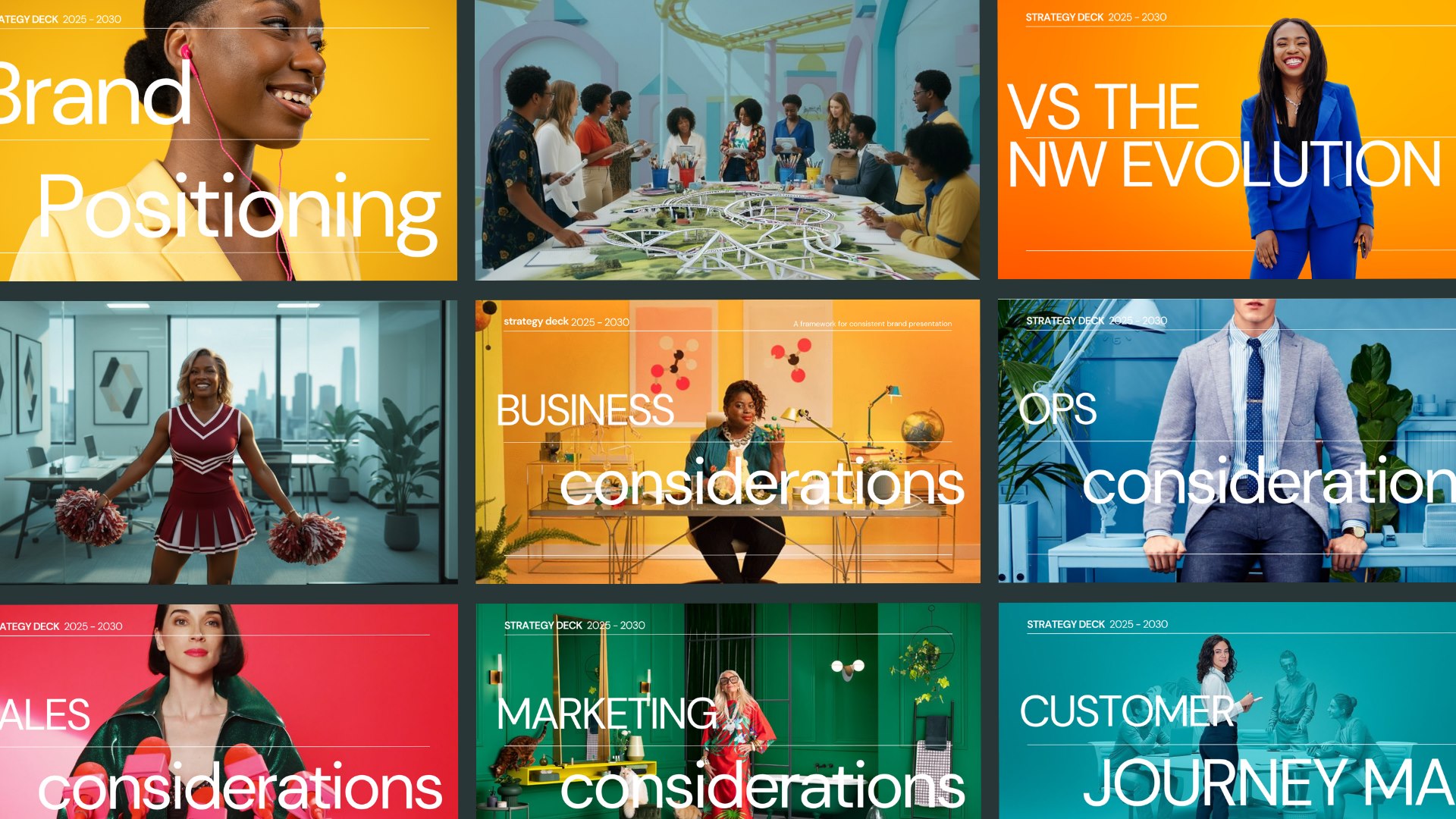
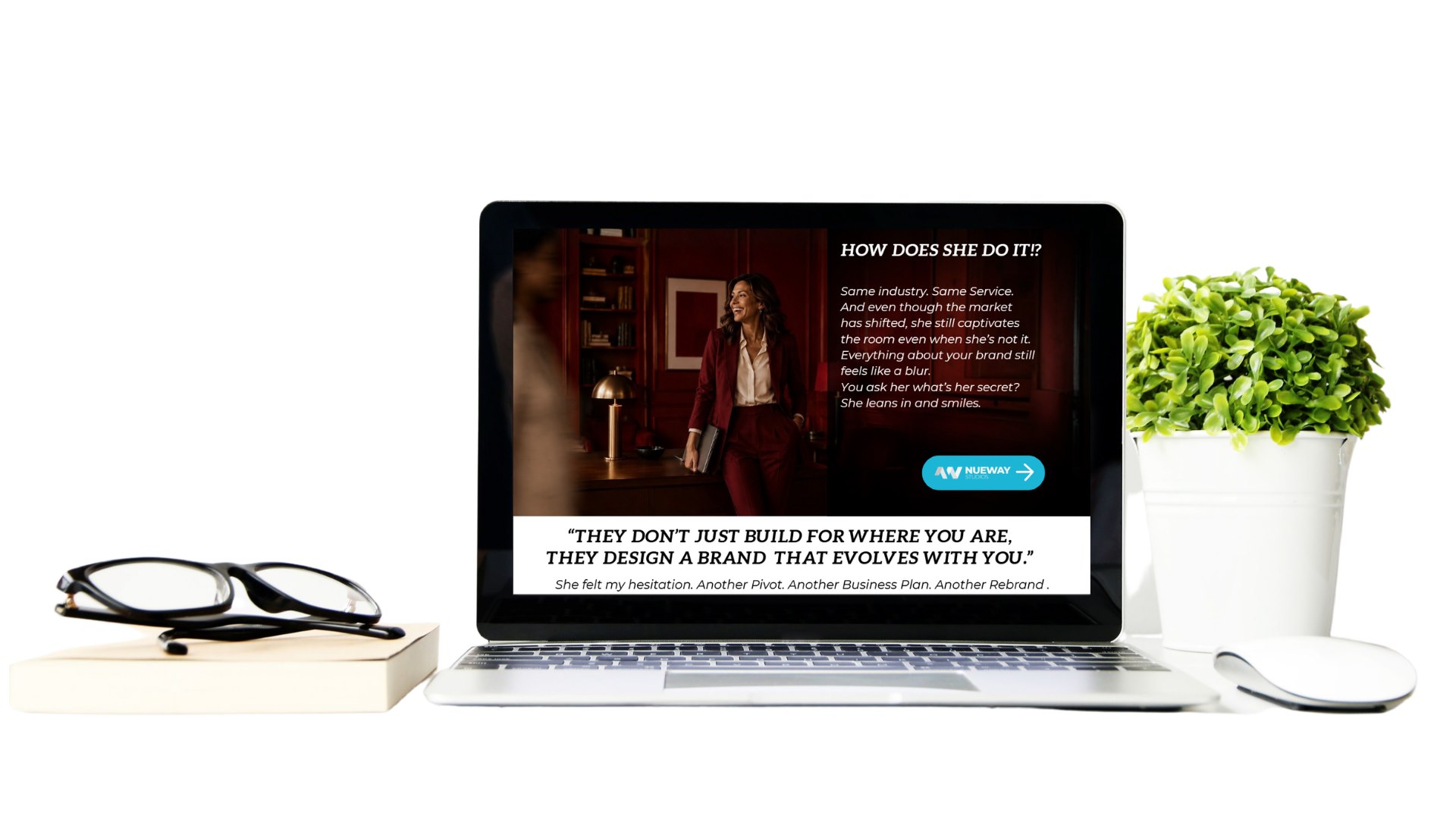
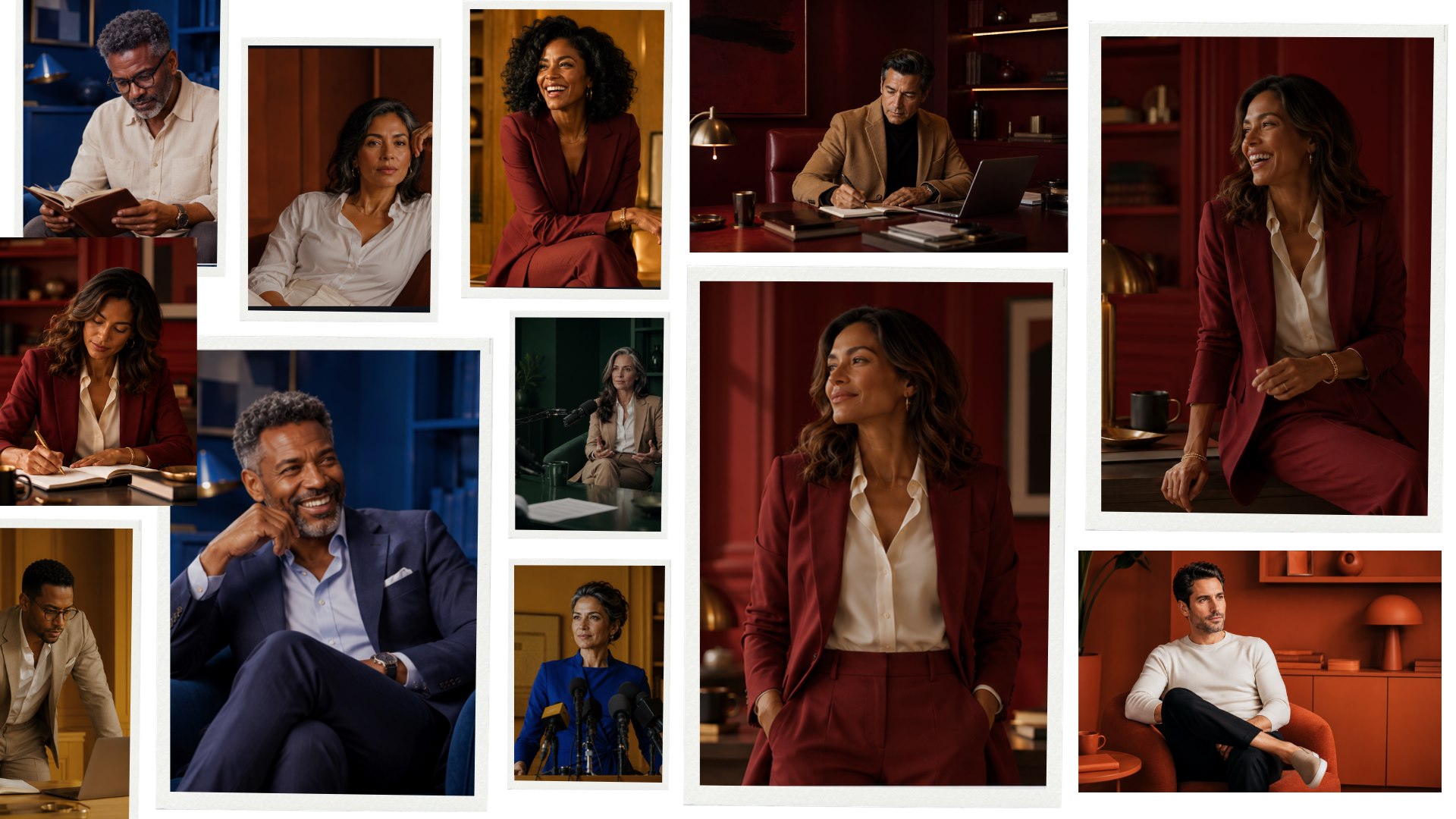
Here is how the Creative Team translated my Strategy, visuals and narrative:
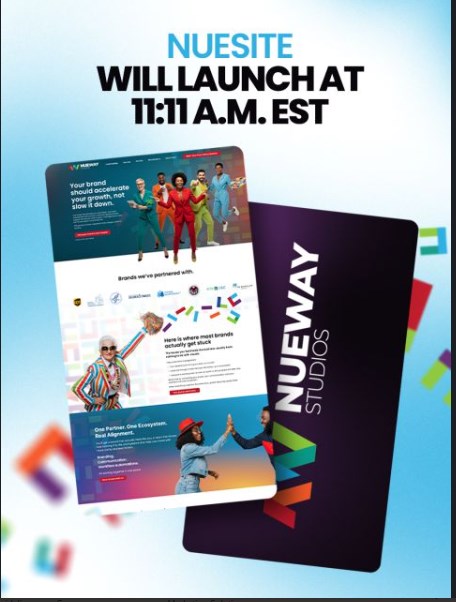


2026 | The Year that changed everything.
A new curve ball from the Founder: new IP, a new business model, a new core audience, a genuinely industry-disrupting plan.
From what I heard and saw, the direction transcended beyond what we had created in 2025. This called for a whole nue positioning, archetype mix, and visual aesthetic. That way it would truly practise what it preached.
The Founder took over internal brand strategy and creative direction, a new COO came on board, and more hires followed.
And just like anyone watching from outside, I'm sitting at the edge of my seat for the final reveal. Curious what it looks like, and how quickly, differently, and intensely things are still moving.
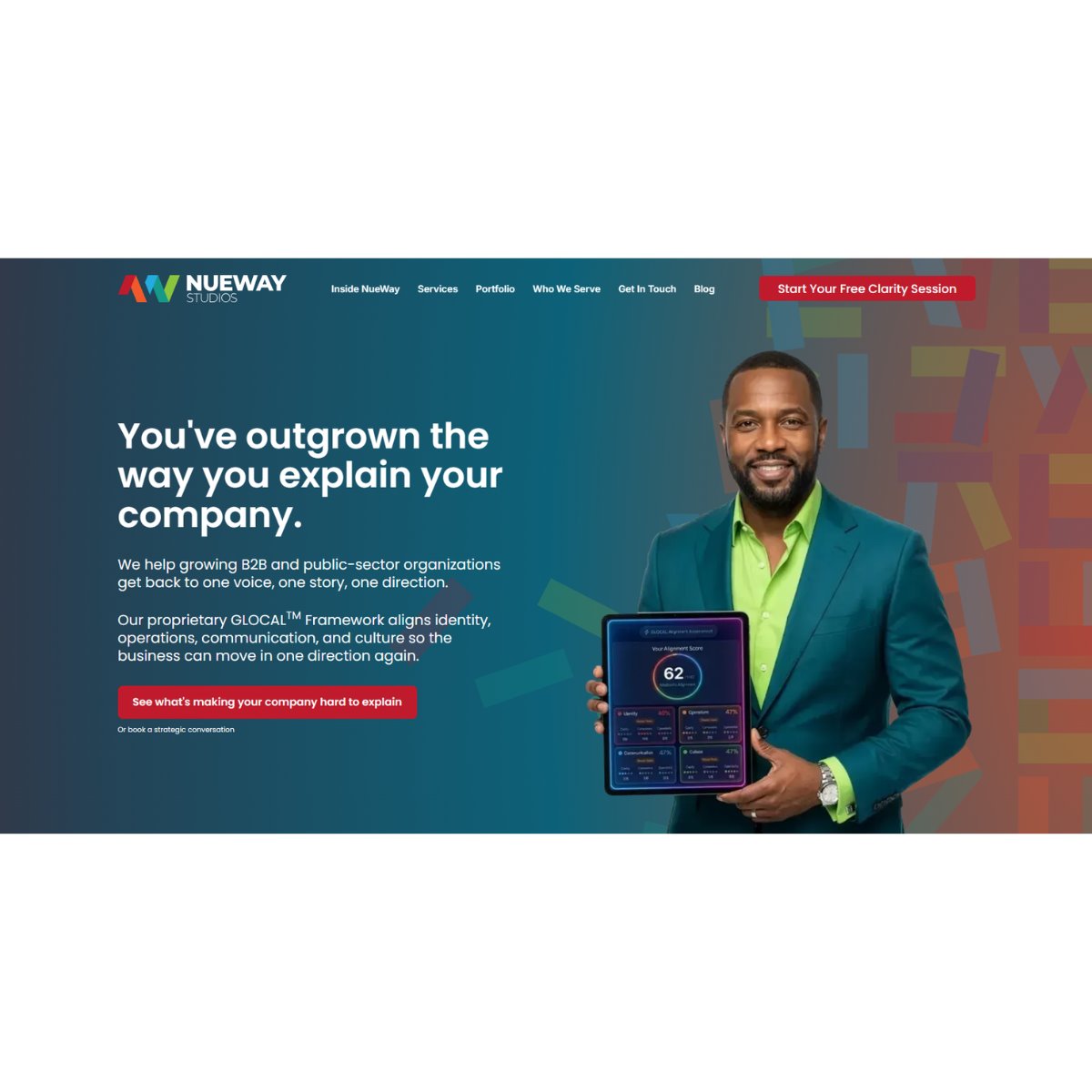
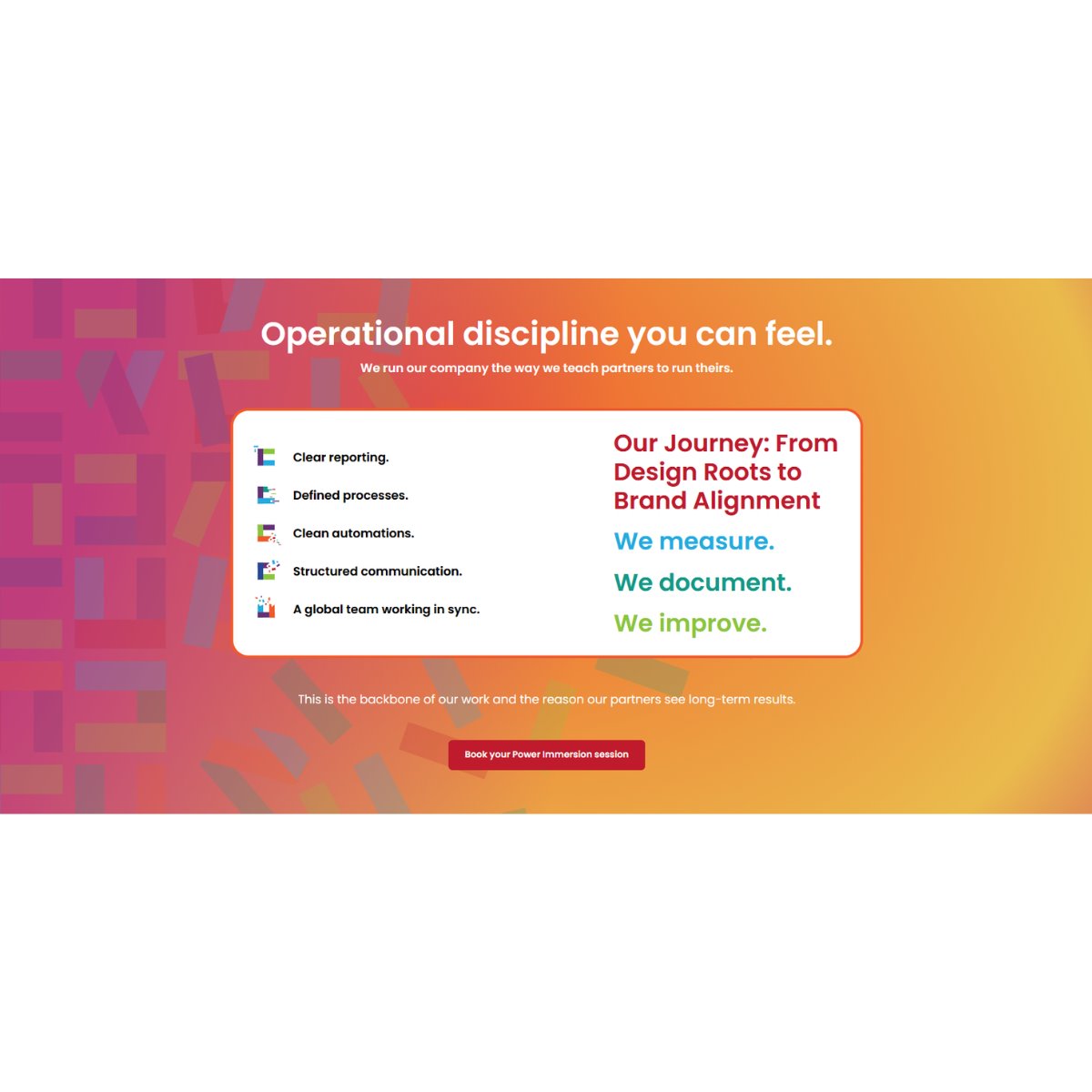
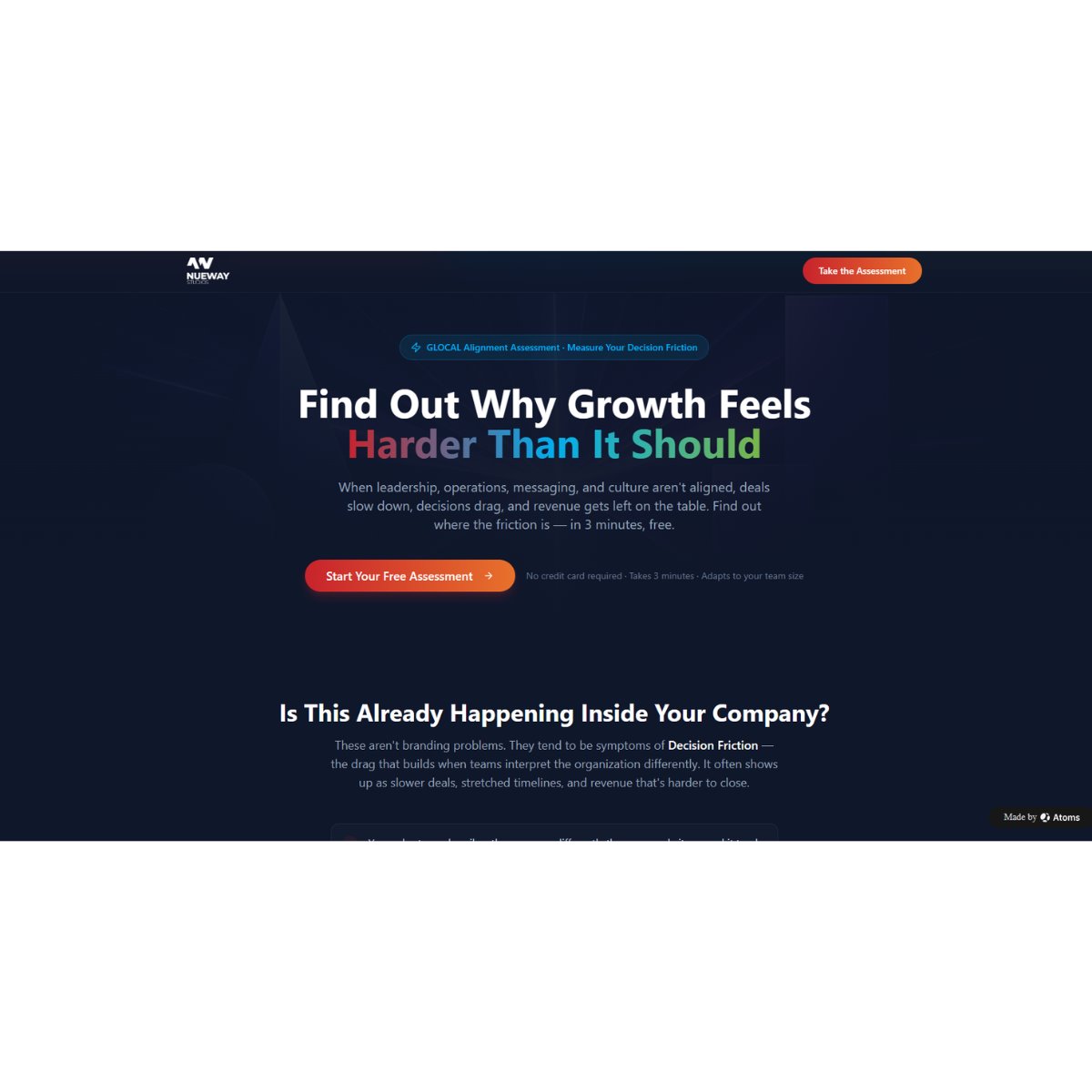
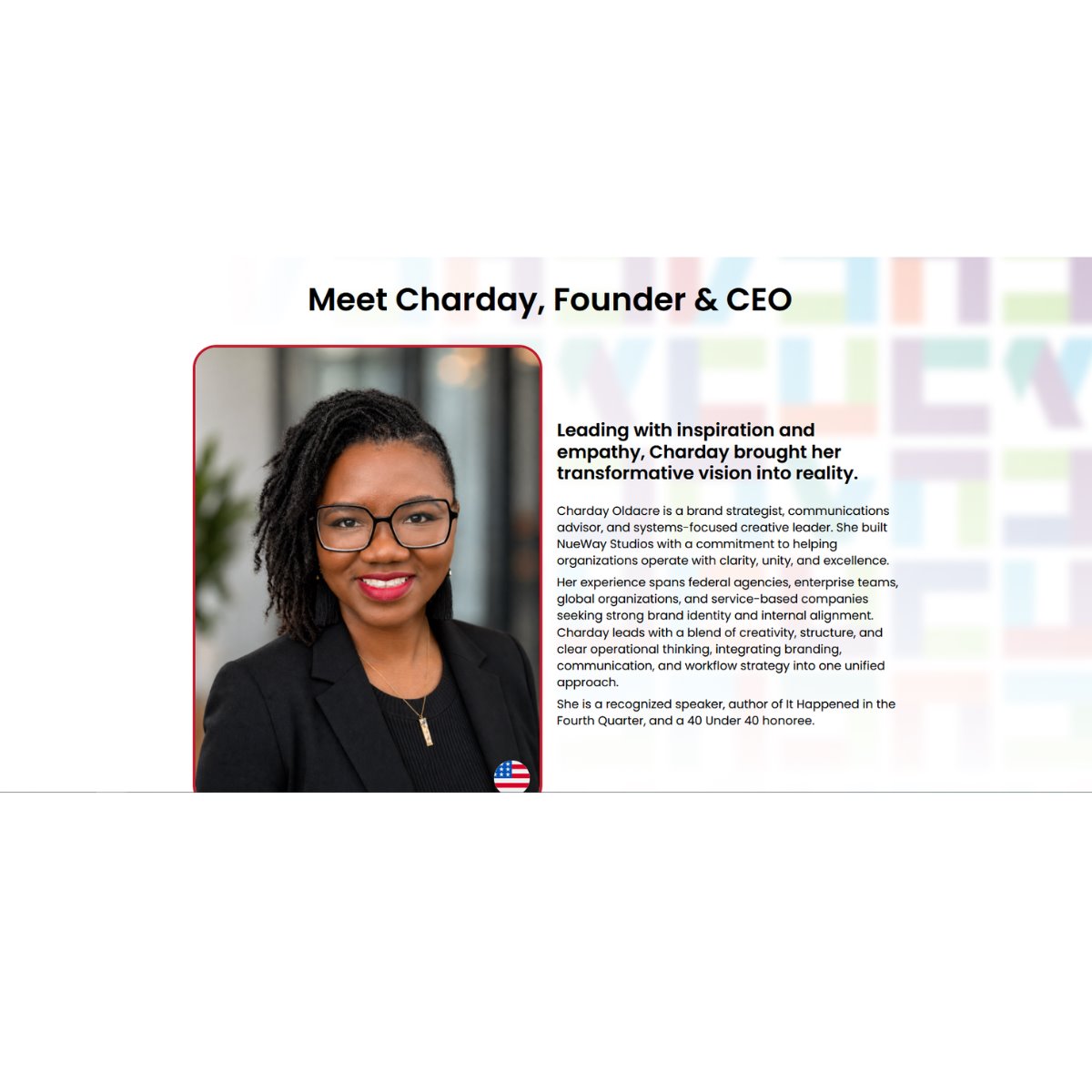
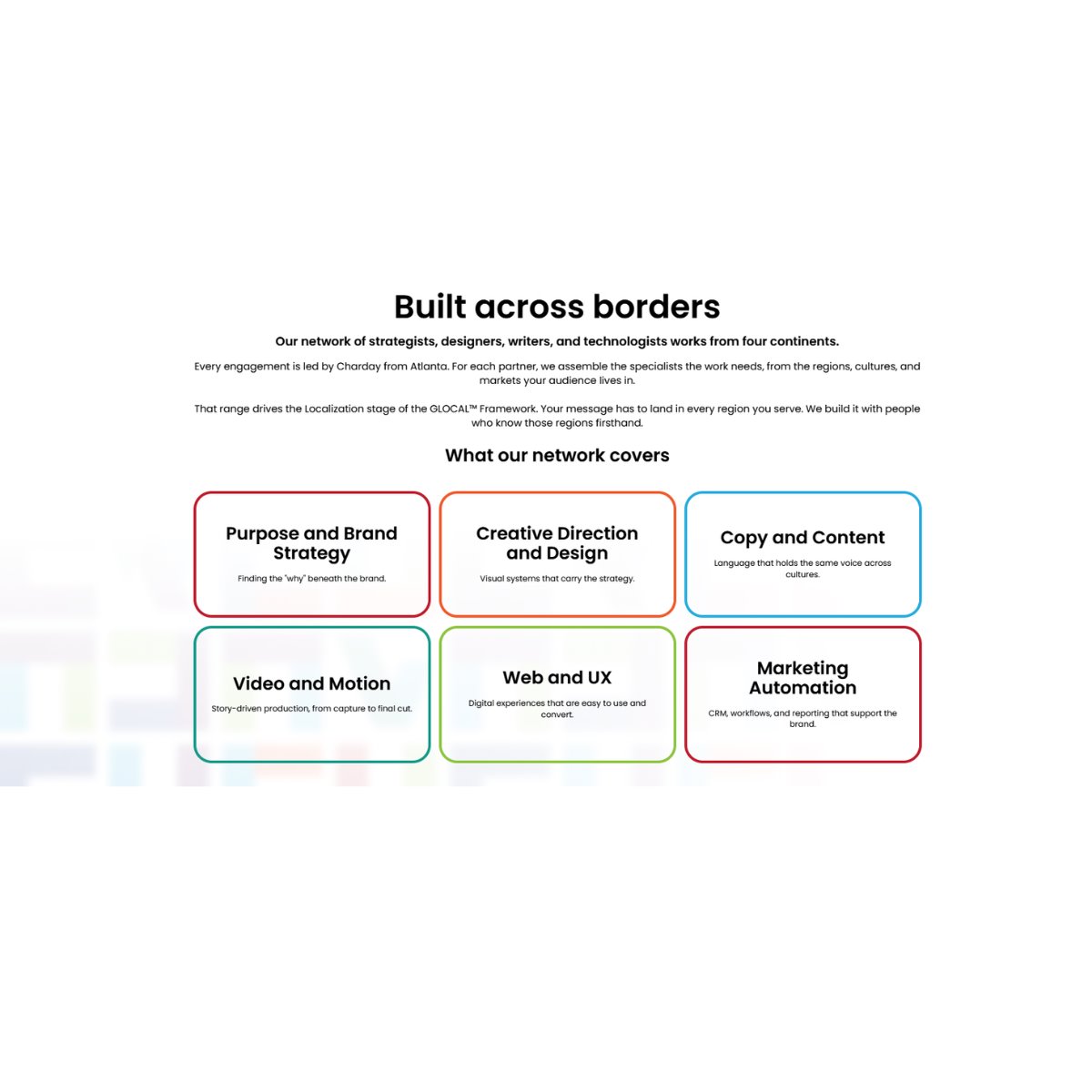
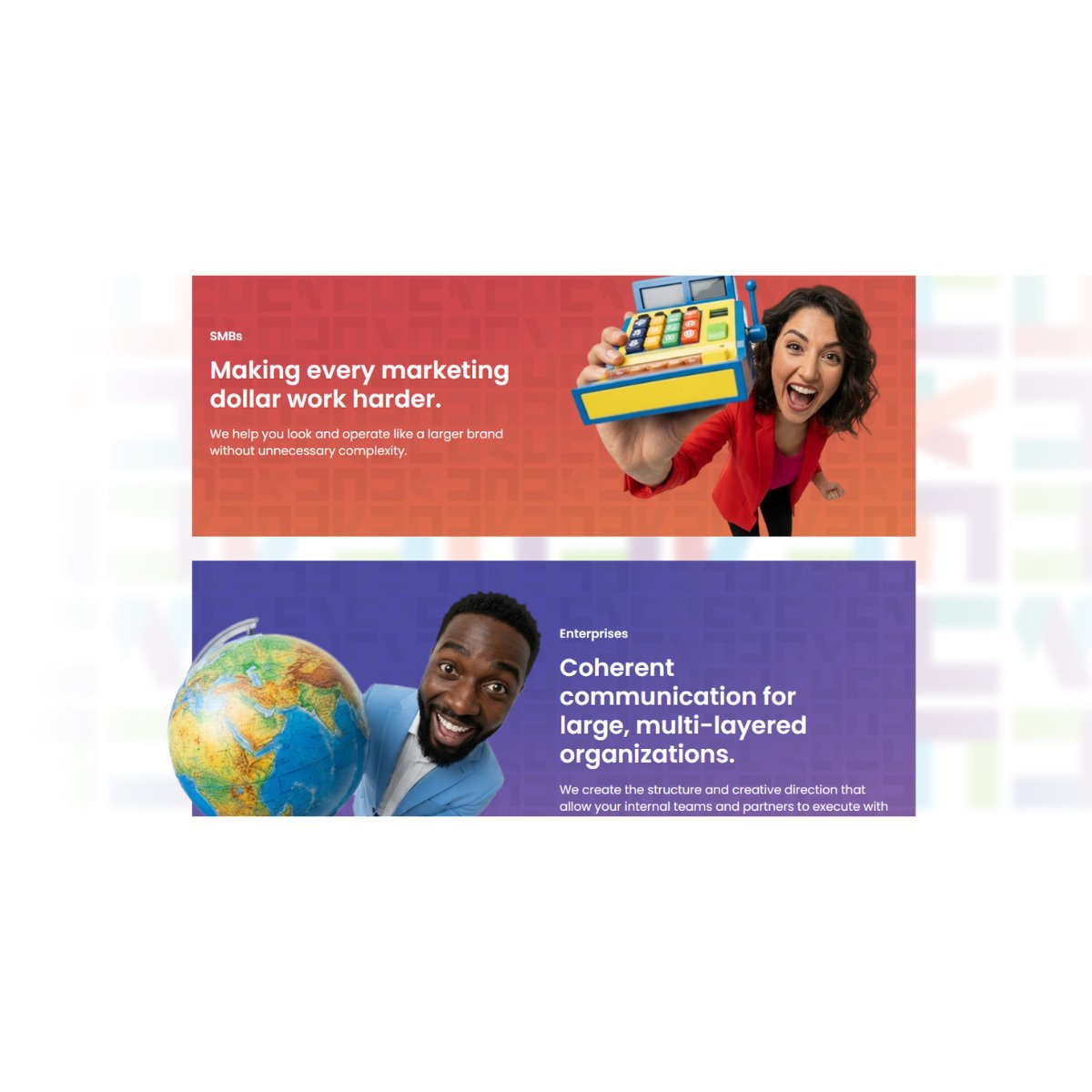
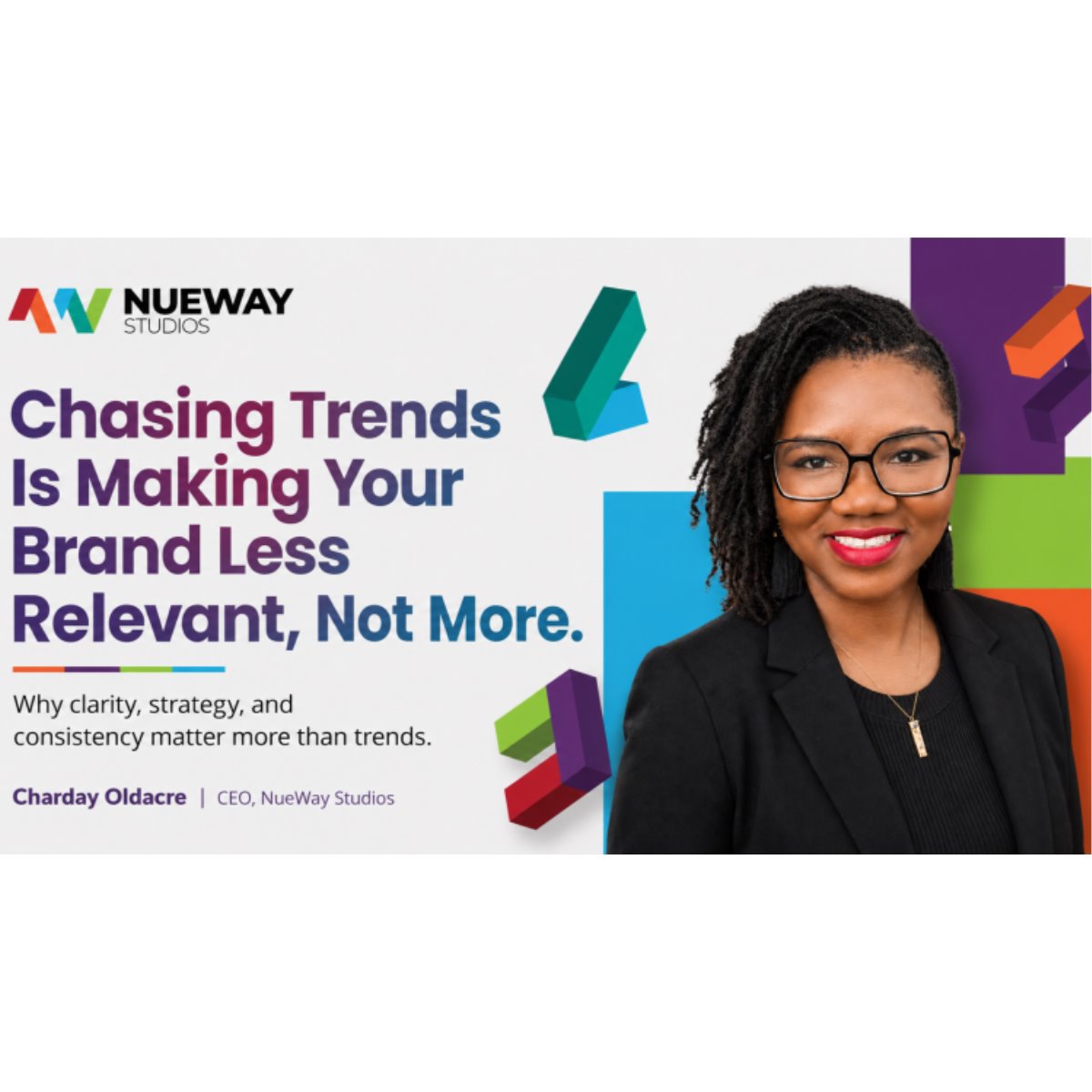
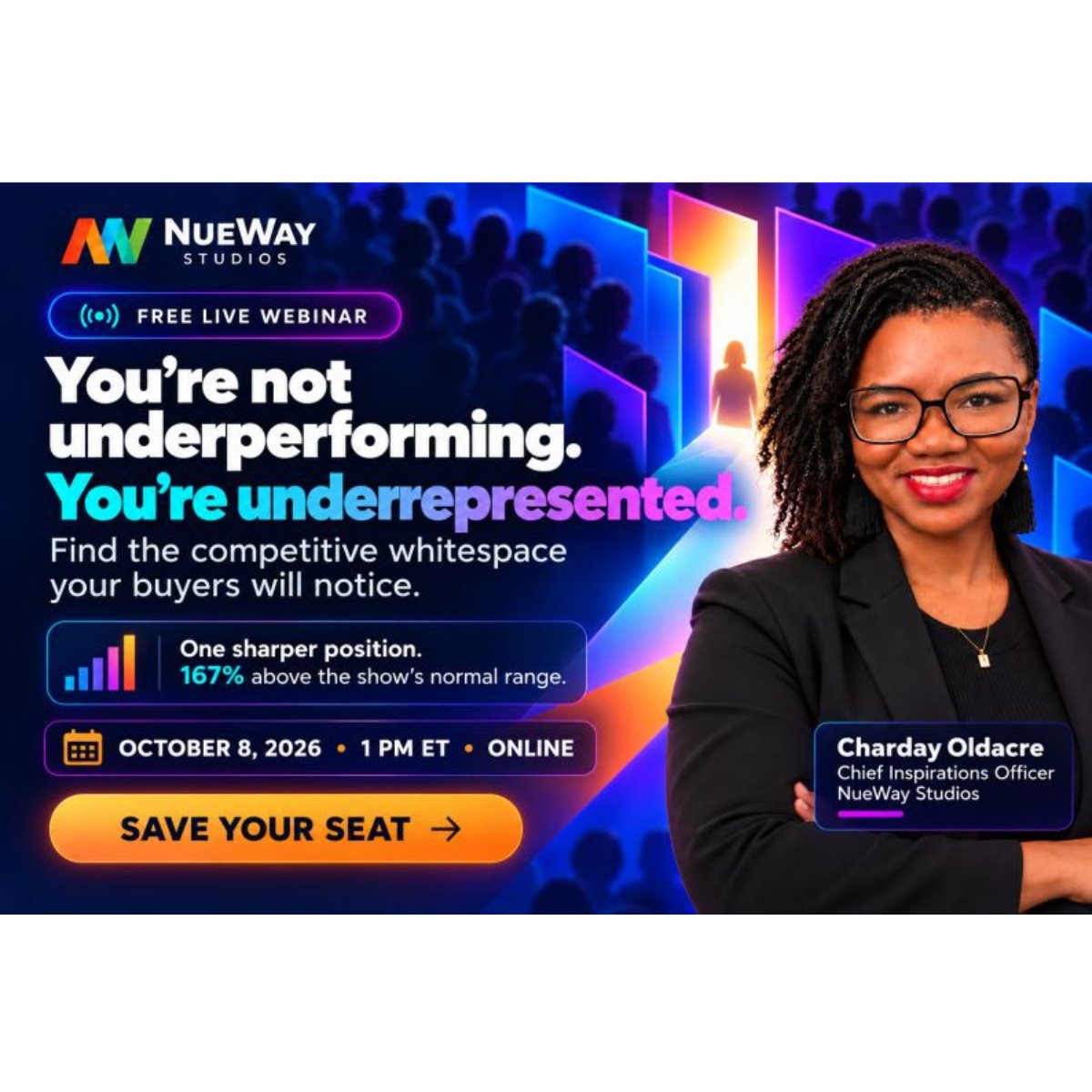
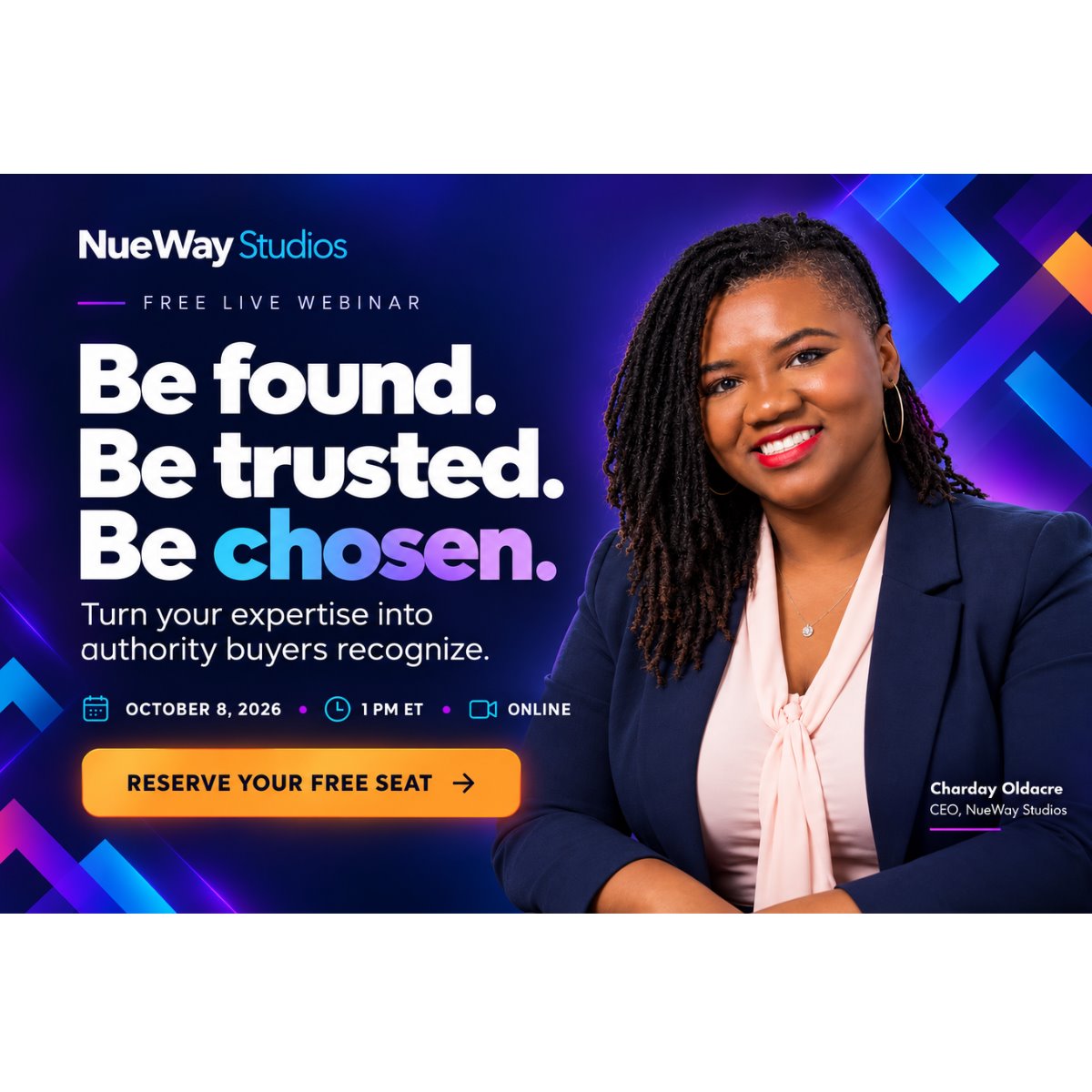
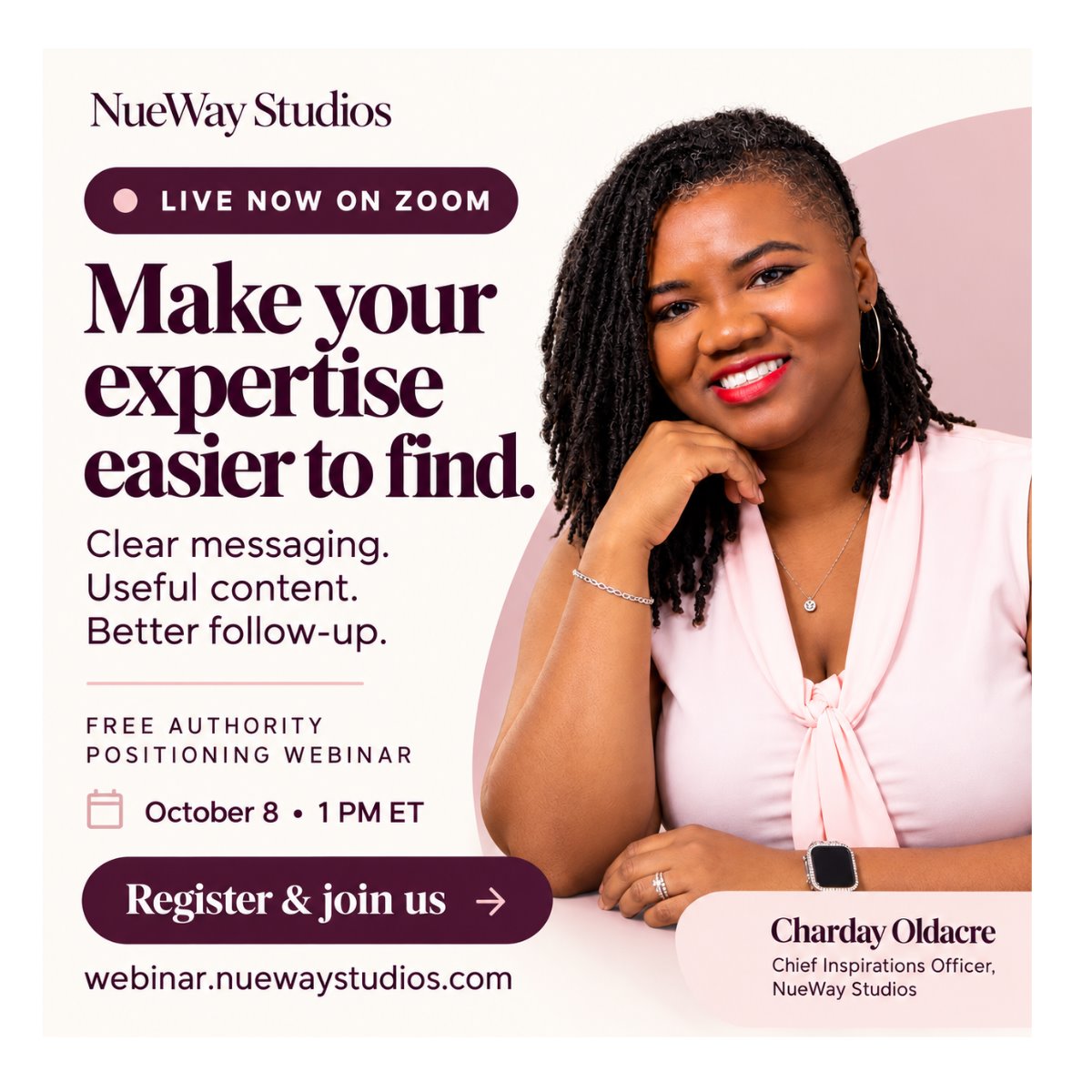
Internal documents are not shared here. Only things already in the public domain.
Reflections of a Purpose Strategist
I must admit, putting this together still feels surreal. I'm filled with awe and wonder and gratitude. I also know how potent this work really is, as well as how much impact it made on NueWay's external partners (clients).
This was never meant to be forced. This was no cult. There was no prescription on how to be. And it revealed so much. And even once things changed and the company was restructured, it still carried a fingerprint of this work.
Definition reflects form. Structure creates reality.
There is no single right way to design for wholeness. But every model you choose, every framework, every methodology, every way of working, creates its own mode of operating. The question is never which model is correct. The question is, which is right for you?
The Agency moved towards a framework of "connected fragmentation" that believes the parts exist. They are separate. They are meant to be separate. They need to talk to each other. Unlike the definition of wholeness I developed "as within so without, as above so below" the nue way of being NueWay business perspective and structure changes everything. As they are currently still revealing their positioning, it is up to them to own it first. Till then, I cannot say much more.
This is what it looks like when someone gets fully, deliberately invested in building something that matters. Not just the brand on the outside, but the whole structure holding it up. If you're carrying something similar (a business that's outgrown its own scaffolding, a team that deserves better than a production line), I'd love to talk about what that could look like for you.
Let's work together →